


-
Pure Patchouli Oil Guide: A Master Perfumer's Manual
 Discover the sensory depth and technical grading of pure patchouli oil in this expert guide. Written by a veteran perfumer, it explores distillation methods, GC-MS profiles, and key formulation ratios.
 -
Evaluating Vetiver Oil Quality: Vetiver Oil CO2 vs Steam Distilled
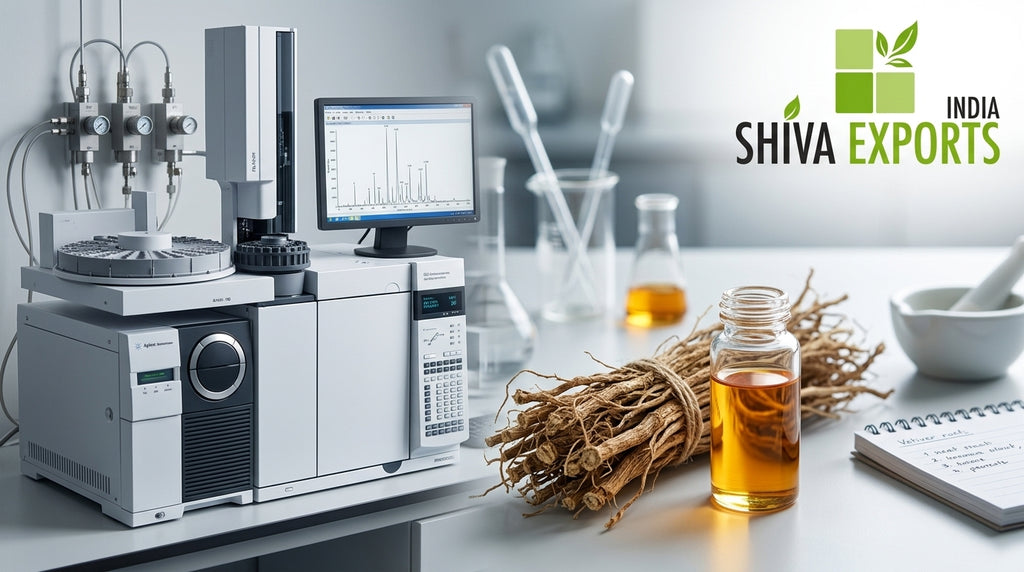 An analytical chemist's comparative evaluation of vetiver oil CO2 vs steam distilled profiles. Learn how extraction thermodynamics alter the GC-MS report and khusimol content for precise formulation.
 -
Analyzing AMBERWOOD F: GC-MS Profiles and Formulation Metrics
 This technical evaluation explores the chemical composition, GC-MS profile, and formulation dynamics of AMBERWOOD F. Learn how this high-performance woody-amber aromatic integrates into modern formulation workflows and AI-driven fragrance design.
 -
Essential Oils for Menstrual Cramps: A Clinical Formulation Guide
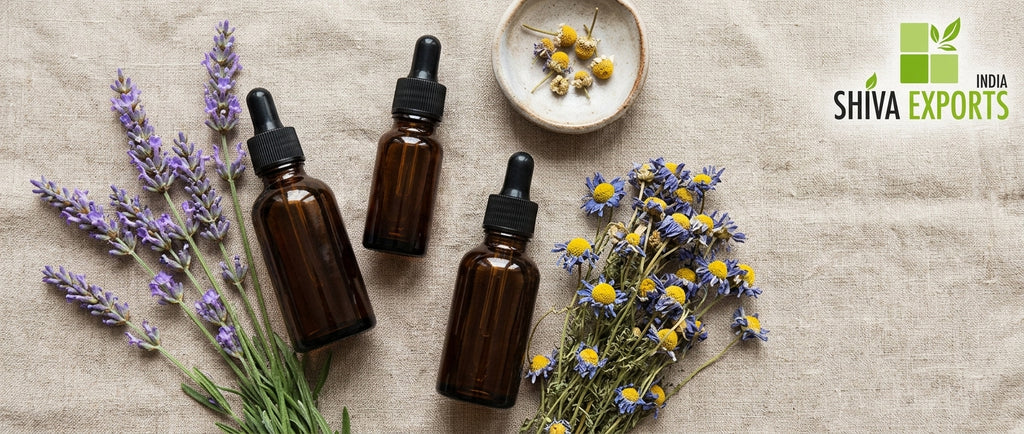 Discover the clinical science behind selecting and blending essential oils for menstrual cramps. This professional guide covers ester-rich chemistry, extraction differences, and safe topical formulation ratios.
 -
Quantifying Cis Jasmone in Modern Fragrance Chemistry
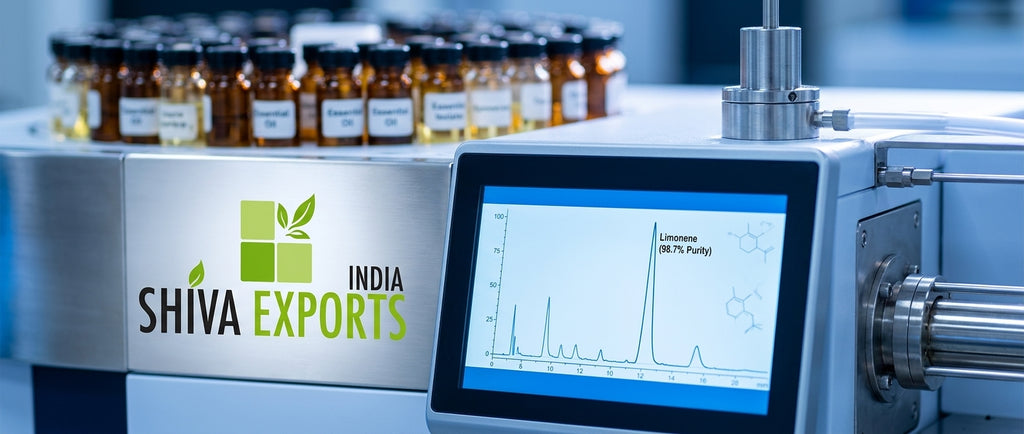 This article provides a highly technical, analytical analysis of CIS JASMONE, focusing on its GC-MS resolution, structural isomerism, and formulation protocols. Designed for fragrance chemists, it covers precise dosing ratios, adulteration detection, and regulatory specifications.
 -
Analyzing CETALOX: Analytical Data, GC-MS Profiles, and Formulation Chemistry
 An analytical evaluation of CETALOX, detailing its stereochemistry, GC-MS fragmentation patterns, and fixative properties in modern perfumery. Discover how high-purity dodecahydro-3a,6,6,9a-tetramethylnaphtho[2,1-b]furan behaves under precise chromatographic and formulation conditions.
 -
Jasmine Sambac CO2 Extract: A Chemist's Formulation Guide
 This technical guide explores the chemical composition, GC-MS analysis, and formulation parameters of Jasmine Sambac CO2 Extract. Learn how supercritical fluid extraction preserves delicate floral volatiles while complying with strict cosmetic safety standards.
 -
Sandalwood Oil Wholesale Purity: A Chemist's GC-MS Analysis
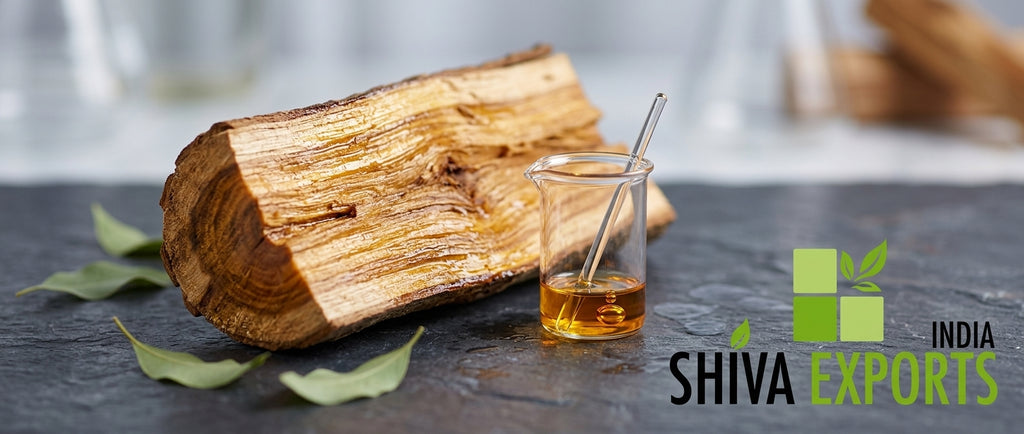 This technical guide outlines the analytical methods required to verify the purity of sandalwood oil wholesale batches using GC-MS and ISO 3518 standards. Learn to identify common adulterants and ensure regulatory compliance for high-value cosmetic formulations.
 -
Analyzing Florol: Chromatographic Profiles and Formulation Dynamics
 An analytical examination of Florol, focusing on its chromatographic characterization, isomer ratios, and predictive modeling. This guide provides precise formulation metrics and quality control standards for fragrance houses.
 -
Analyzing Dihydro Beta Ionone: Chromatographic Profiles and Olfactory Thresholds
 An analytical evaluation of Dihydro Beta Ionone, focusing on its chromatographic behavior, molecular stability, and precise formulation dynamics in modern perfumery. This technical brief details GC-MS profiles, olfactory thresholds, and quality control standards for professional fragrance houses.
 -
Analytical Evaluation of Evernyl in Modern Fragrance Chemistry
 An in-depth chemical and regulatory evaluation of Evernyl as a high-purity replacement for natural oakmoss in modern perfumery. This technical analysis explores GC-MS profiles, IFRA compliance, and AI-driven formulation ratios.
 -
Evaluating Javanol: GC-MS Analysis and Formulation Ratios
 This technical analysis explores the chemical properties, GC-MS elution profile, and formulation ratios of Javanol, a high-potency sandalwood alicyclic carbinol. Learn how to dose this exceptional molecule without overwhelming your fragrance accords.
 -
Analyzing Hexyl Cinnamic Aldehyde in Modern Fragrance Chemistry
 This technical article explores the analytical profile, regulatory compliance, and formulation chemistry of Hexyl Cinnamic Aldehyde in modern perfumery. Written from the perspective of an analytical chemist, it covers GC-MS data, IFRA restrictions, and AI-driven scent design.
 -
Characterizing Methyl Cedryl Ketone: GC-MS Profiles and Performance
 Methyl Cedryl Ketone is a vital woody-amber fragrance ingredient valued for its outstanding fixative properties and isomeric complexity. This analytical guide examines its chemical structure, GC-MS identification, and formulation performance in modern perfumery.
 -
Characterizing Bacdanol: GC-MS Analysis and Formulation Ratios
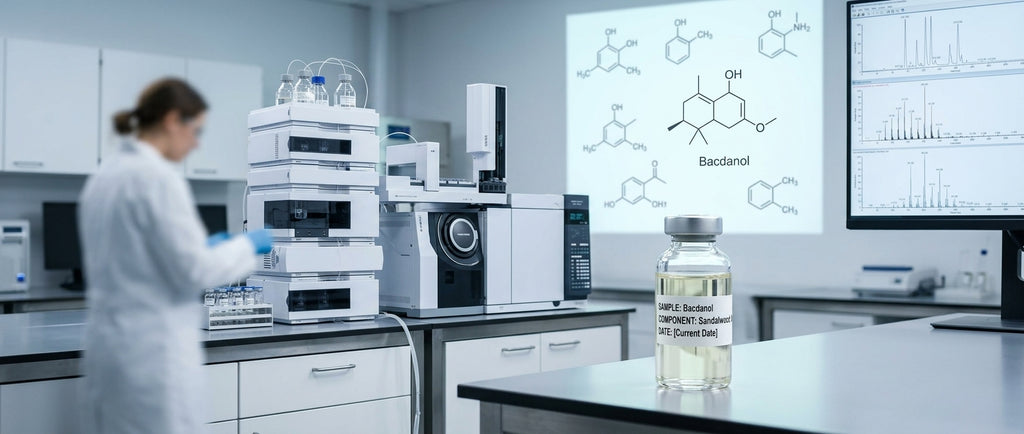 This analytical review examines the chemical structure, GC-MS profile, and precise formulation ratios of Bacdanol in modern fragrance chemistry. Discover how this synthetic sandalwood molecule compares to natural alternatives and how to integrate it into high-performance olfactory compositions.
 -
Analyzing Helional: GC-MS Profile and Formulation Stability
 This analytical guide explores the chemical profile, GC-MS characteristics, and formulation stability of Helional in cosmetic chemistry. Learn how to stabilize this volatile aldehyde and integrate it into modern fragrance formulations.
 -
Analyzing Cyclamen Aldehyde: GC-MS Profiles and Formulation Stability
 This technical analysis explores the GC-MS profile, formulation stability, and analytical purity standards of Cyclamen Aldehyde. Written from the perspective of an analytical chemist, it covers precise molecular metrics, stabilization techniques in alkaline media, and the role of computational chemistry in modern formulation.
 -
Technical Guide to Cyclamen Aldehyde in Modern Fragrance Chemistry
 This technical guide explores the analytical profile, formulation mechanics, and regulatory compliance of Cyclamen Aldehyde in modern perfumery. It details GC-MS standards, comparison with banned floral aldehydes like Lilial, and strategies for preventing oxidation in fragrance compounding.
 -
Analytical Evaluation of Florol in Modern Perfumery
 Florol serves as a highly stable, non-discoloring muguet replacement in modern perfumery. This analytical evaluation explores its GC-MS profile, isomer distribution, and thermodynamic performance in fine fragrance formulation.
 -
Analytical Guide to Cyclamen Aldehyde in Modern Perfumery
 Cyclamen Aldehyde is a crucial synthetic aroma chemical used to impart fresh, watery, linden-blossom notes to modern floral accords. This analytical review examines its chemical stability, GC-MS profile, and precise formulation ratios for commercial fragrance development.
Close
Login
Close