


-
Formulating with Low-Eugenol Clove Oil for IFRA Compliance
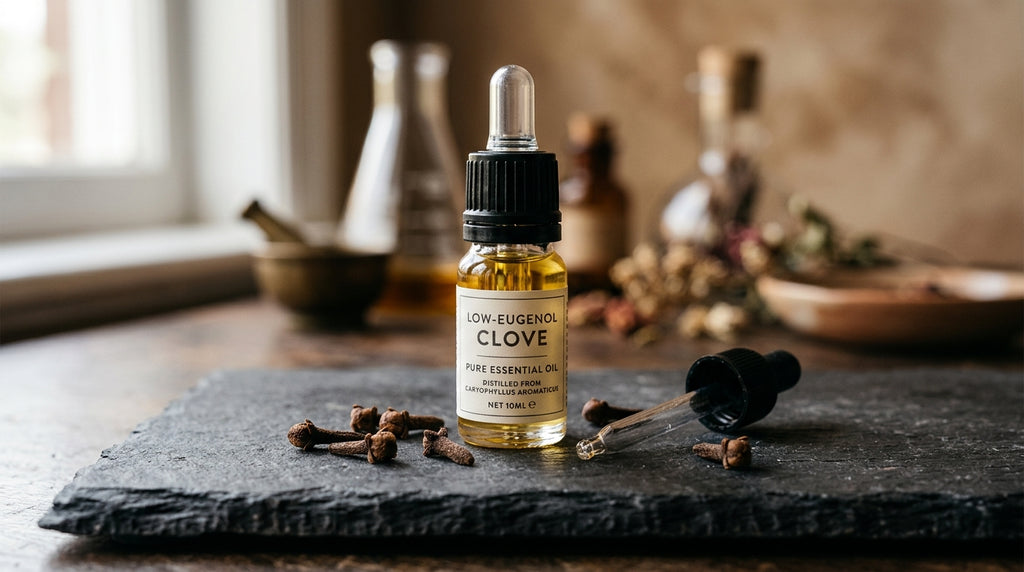 This article explores the challenges and strategies for formulating with clove oil while adhering to strict IFRA restrictions on eugenol. It covers the necessity of calculating eugenol concentration and offers practical advice on using low-eugenol clove oil alternatives to maintain safety and compliance.
 -
Formulating with High-Purity Alpha Terpinyl Acetate for Fine Fragrance
Formulating with High-Purity Alpha Terpinyl Acetate for Fine Fragrance It’s a common frustration in the lab: a formulation calls for a bright, woody-citrus lift, but the standard material introduces a muddy, terpenic off-note that clashes with delicate floral accords. This compromise is frequently traced back to inferior grades of alpha terpinyl acetate, where residual hydrocarbons from the esterification process overpower the desired scent profile. Achieving the sophisticated, clean profile required for modern natural essential oils and synthetic blends in fine fragrance demands a shift toward high-purity inputs. In this analysis, we will examine why specifying high-purity... -
Navigating the Davana Oil Shortage: Formulation Strategies and Supply Realities
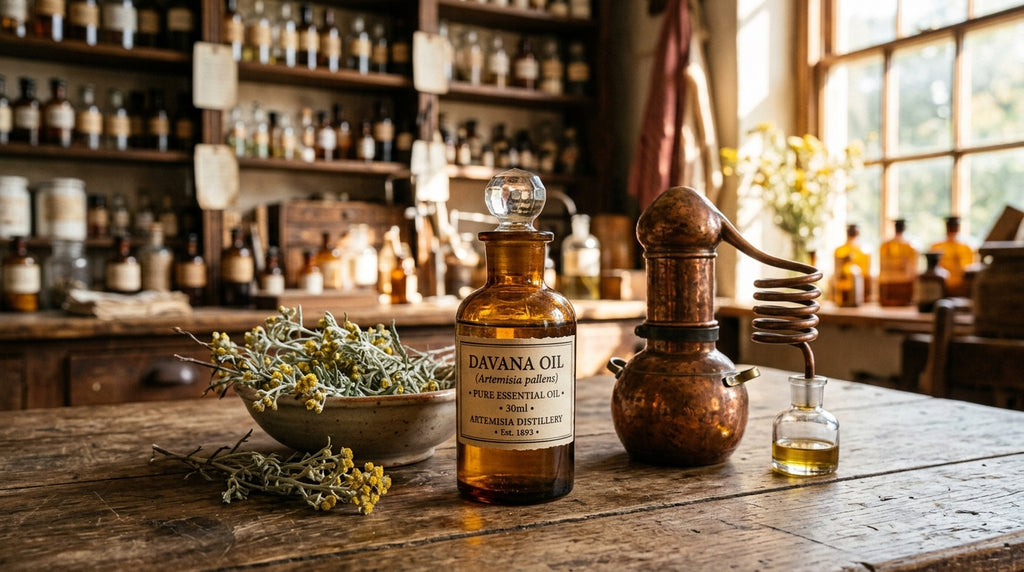 The global davana oil market is facing significant supply chain volatility, causing challenges for formulators who rely on its unique boozy and fruity aroma. This article explores the root causes of the shortage, strategic procurement practices, and effective reformulation techniques.
 -
The Future of Purity: Essential Oil Trends for 2026
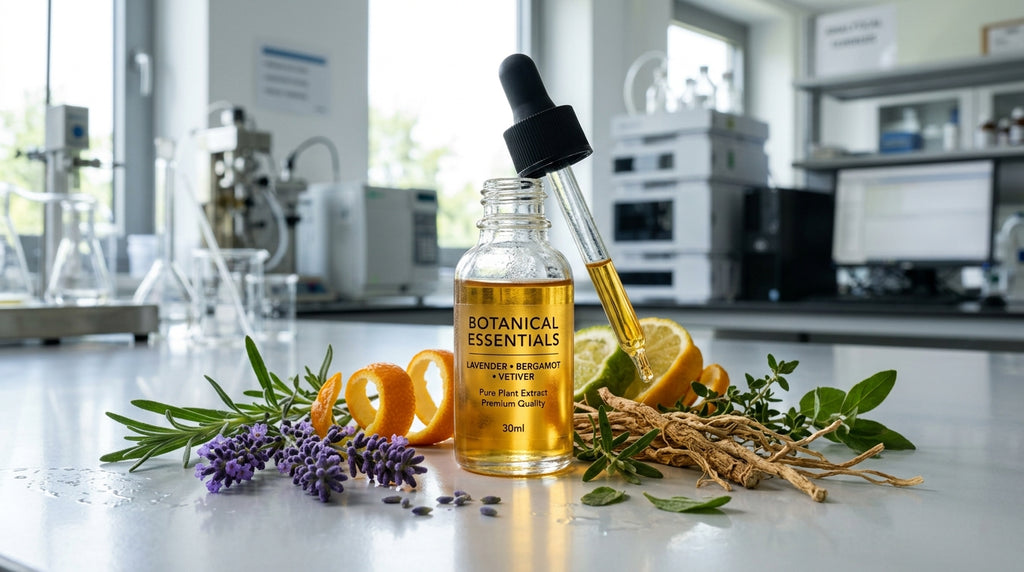 The analytical landscape for essential oils is undergoing a structural shift toward comprehensive molecular fingerprinting by 2026. This technical guide explores how advanced chromatography, chiral analysis, and supercritical CO2 extraction are redefining purity standards for high-volume cosmetics formulation.
 -
Blue Spruce Essential Oil: A Technical Evaluation for Perfumery
 Blue Spruce essential oil offers a unique chemical profile rich in bornyl acetate, making it a valuable but technically challenging ingredient for perfumery and aromatherapy. Understanding its GC-MS data, oxidation stability, and potential for adulteration is essential for successful formulation.
 -
Optimizing Formulations with Bakuchiol 99%: Stability, Dosing, and Retinol Claims
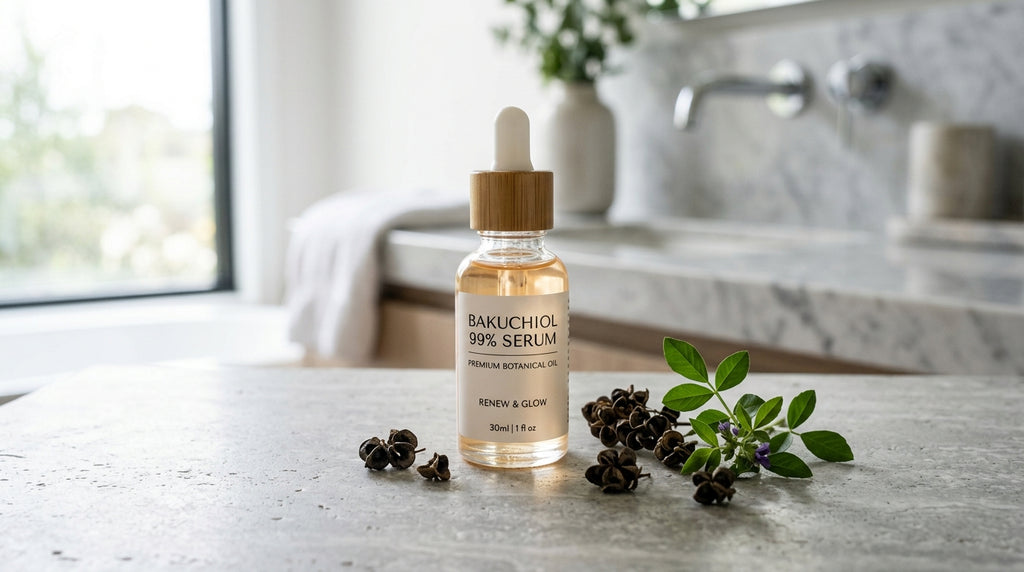 This article provides a technical guide for formulators on successfully incorporating high-purity Bakuchiol 99% into skincare products. It covers critical aspects including verifying purity, managing formulation stability against oxidation and light, determining optimal dosage (0.5-1.0%) for effective retinol-alternative claims, and practical methods for dissolving this oil-soluble active.
 -
IFRA 51 Geraniol Restrictions: A Practical Guide for Formulators
IFRA 51 Geraniol Restrictions: A Practical Guide for Formulators The assumption that natural equals compliant is a costly mistake many brands make, especially with the implementation of IFRA Amendment 51. While the natural fragrance market continues to expand, the regulatory framework governing constituent allergens like geraniol has simultaneously tightened, creating a major challenge for anyone aiming for IFRA compliant rose scent formulation or clean label cosmetics. Geraniol, a monoterpenoid alcohol, is a structural component of numerous popular essential oils and a staple isolate in rose, geranium, and various floral accords. Its ubiquity is precisely why the... -
Optimizing Formulations with Lavandin Oil Grosso: A Technical Guide
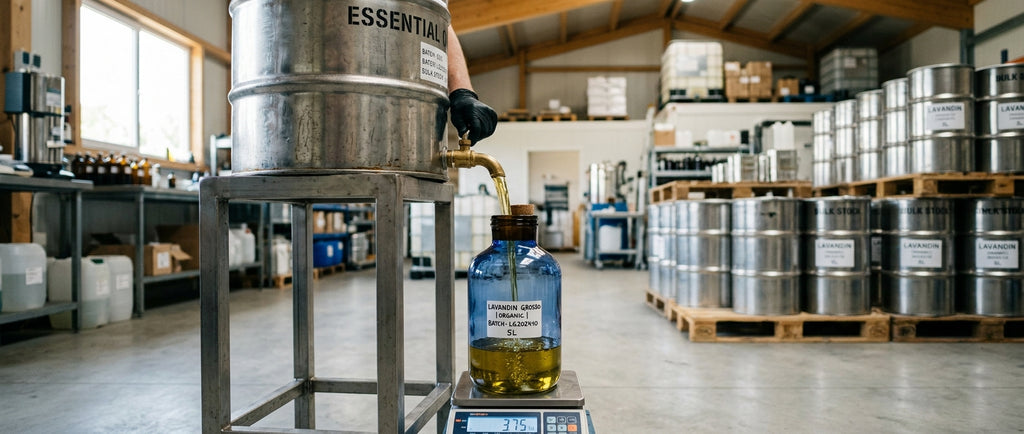 Optimize your formulations with our technical guide to Lavandin Oil Grosso, exploring its unique chemistry and industrial applications. Learn how this powerful essential oil differs from lavender and how to ensure quality in bulk procurement.
 -
Optimizing Anti-Pollution Skincare with High-Caratol Carrot Seed Oil
Optimizing Anti-Pollution Skincare with High-Caratol Carrot Seed Oil For decades, formulators relied on alpha-tocopherol as the default antioxidant defense in facial care. However, the escalating challenge of urban particulate matter and its accelerant effect on skin aging has rendered singular antioxidant strategies insufficient. The modern anti-pollution brief demands multi-functional ingredients that address oxidative stress while simultaneously supporting the skin’s barrier integrity. Our analysis indicates that the effectiveness of Carrot Seed Oil in meeting these complex requirements is strictly contingent on its chemical fingerprint, specifically the concentration of the sesquiterpene alcohol, caratol. Table of Contents The Caratol... -
Vanilla Oil High Vanillin: A Technical Guide for Fragrance Formulators
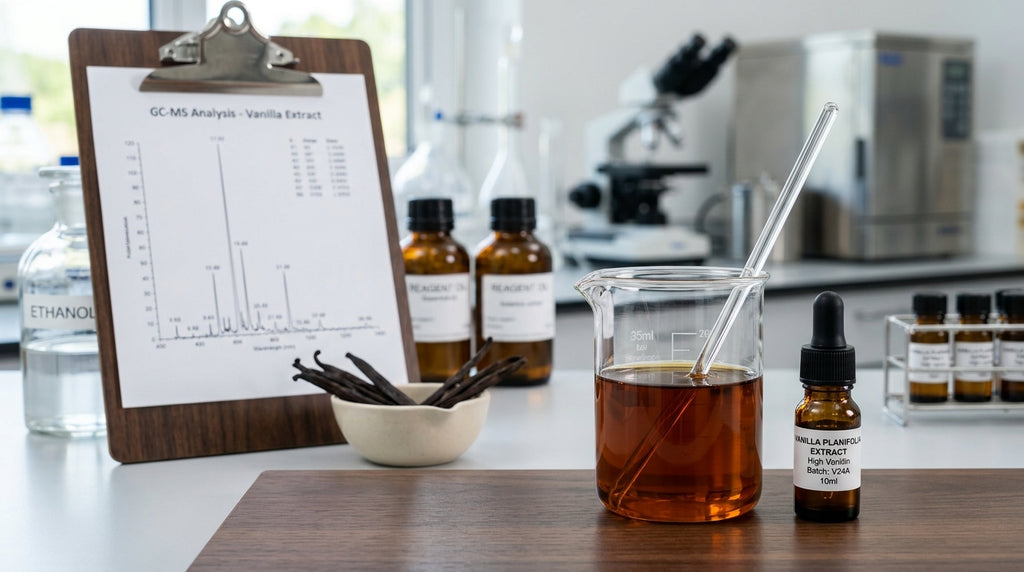 Vanilla oil high vanillin offers fragrance formulators a potent, natural fixative with vanillin concentrations often reaching 12% to 25%. This technical guide explores the extraction chemistry, analytical verification of natural origin via IRMS, and critical formulation strategies to manage performance and discoloration in cosmetic products.
 -
Procuring Ginger Oil Wholesale: Navigating Quality and Regulation
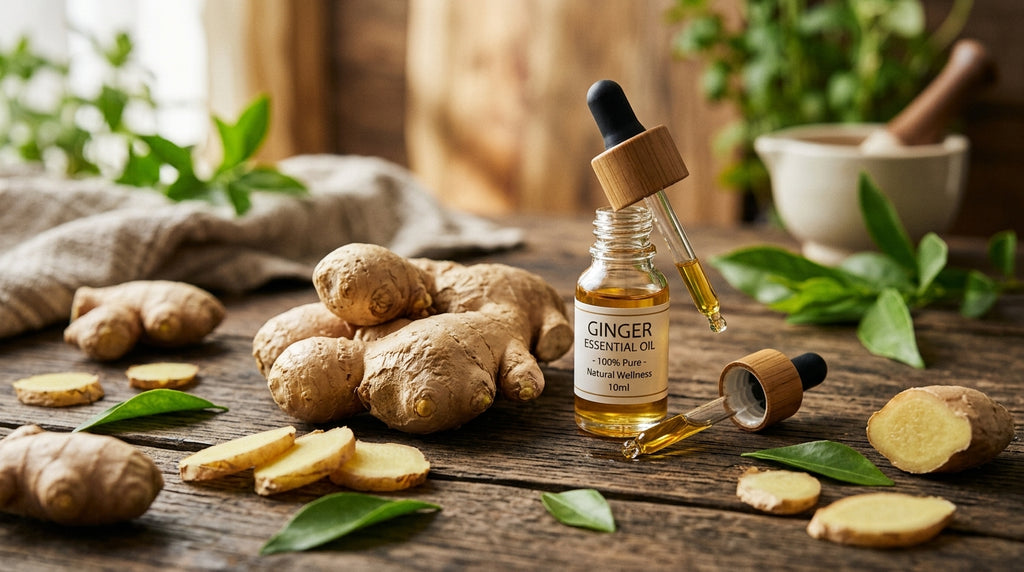 Procuring ginger oil wholesale requires a diligent approach to navigate price volatility and ensure uncompromising quality. This article explores the critical factors, from supplier vetting to regulatory compliance, that procurement professionals must consider.
 -
Optimizing Helichrysum Italicum Oil in EU Skincare: A Guide
Optimizing Helichrysum Italicum Oil in EU Skincare: A Guide For a procurement director, the initial allure of Helichrysum Italicum oil's potent skin benefits quickly crashes against the reality of its volatile market and restrictive regulatory landscape. In the EU, we don't just assess sensory profiles; we meticulously scrutinize the supply chain for compliance and economic viability. Helichrysum, or 'Immortelle,' presents a unique challenge: a high-value ingredient essential for anti-aging and reparative lines, yet one that demands rigorous due diligence to ensure both safety and a sensible return on investment (ROI). This article breaks down the essential... -
Indian Cedarwood Oil: IFRA Compliance and Olfactory Stability
 This article provides a technical overview of formulating with Indian Cedarwood Oil (Cedrus deodara), focusing on its unique chemical profile. We discuss key differences from Virginian cedarwood, essential strategies for achieving IFRA compliance, and methods for ensuring olfactory stability in challenging applications like soap making.
 -
Optimizing Formulations with Rose Oil Cosmetic Grade: A Technical Guide
 This technical guide explores the complexities of formulating with rose oil cosmetic grade, emphasizing the analytical tools required for purity verification. It covers the chemical differences between Rose Otto and Rose Absolute, their impact on emulsion stability, and essential procurement specifications for ensuring batch consistency.
 -
Chamomile Blue Oil: Beyond the Chamazulene Hype
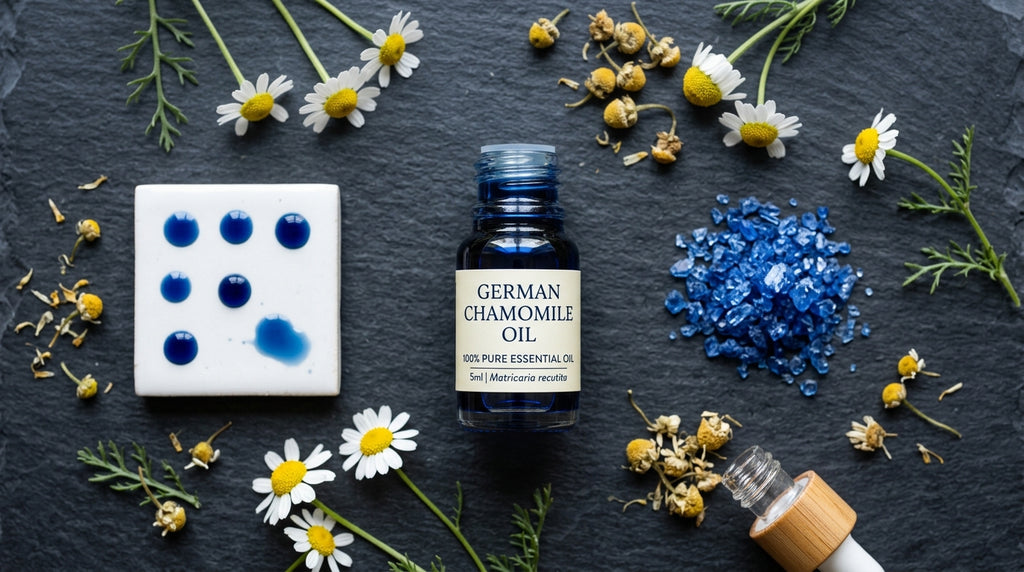 While the deep blue color from chamazulene is the most famous characteristic of Chamomile Blue Oil, its true value in skincare lies in its complex synergy with other compounds like alpha-bisabolol. As a formulator, I explain why relying solely on color is a procurement mistake and how to properly evaluate this potent anti-inflammatory ingredient for advanced cosmetic products.
 -
Cardamom Essential Oil: Optimizing Formulations and Managing Supply Chains
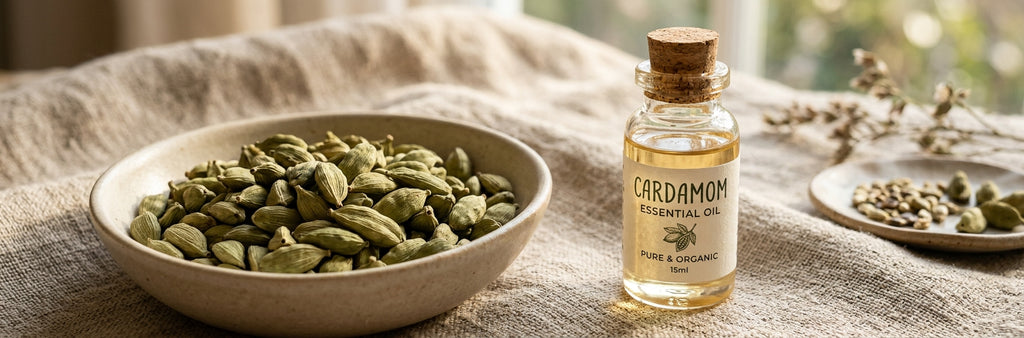 This article explores the nuances of cardamom essential oil, from its variable chemical composition based on origin to its diverse applications in cosmetics and aromatherapy. It highlights the importance of sourcing pure oil from reliable suppliers and provides guidance on formulation and quality assessment.
 -
Balsam Peru Oil: Navigating Complexity in Natural Fragrance Fixatives
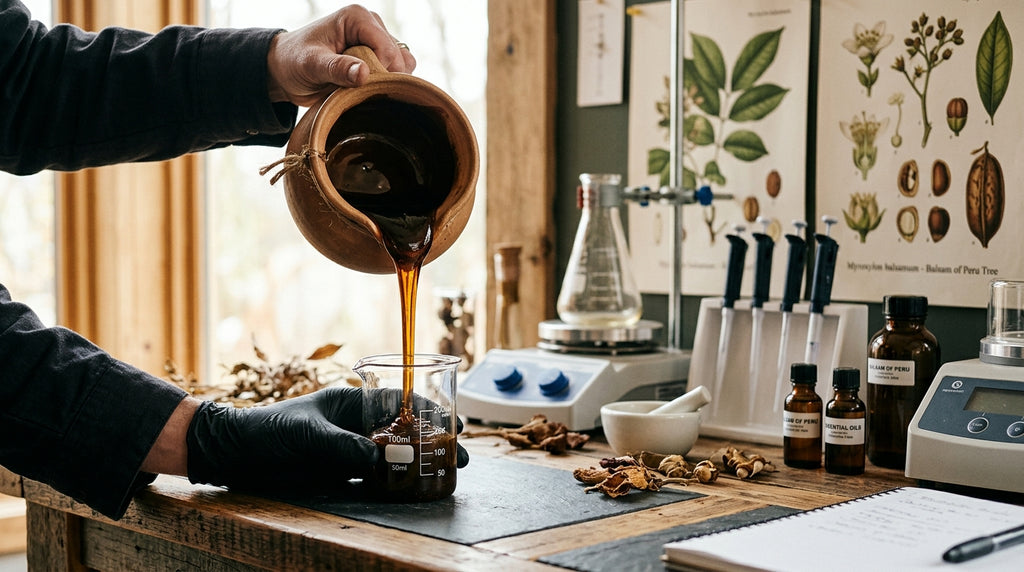 Balsam Peru Oil is a highly valued natural fragrance fixative, but its use requires careful attention to regulatory standards and purity analysis. This article explores its complex chemical profile, extraction methods, and the critical importance of GC-MS testing to ensure compliance and quality in cosmetic formulations.
 -
Rose De Mai Absolute: From Grasse to Global Formulations
 Rose de mai absolute, derived from Rosa centifolia, is a cornerstone of luxury perfumery and high-end skincare. We explore its extraction, formulation challenges, and how to verify its purity in a market prone to adulteration.
 -
Bakuchiol 99% vs. Retinol: A Technical Guide for Accurate Formulating
 This technical guide explores the formulation advantages of bakuchiol 99% as a stable, high-performance retinol alternative. It details the precise chemical differences, stability profiles, and practical methods for incorporating this potent active into advanced skincare products.
 -
Analysing Sandalwood Oil Australian: A GC-MS Profile
 This article provides a technical analysis of Sandalwood Oil Australian, comparing its unique GC-MS profile and sesquiterpenol distribution to traditional Indian Sandalwood. It also details the relevant ISO standards and analytical methods for detecting adulteration in this distinct essential oil.
Close
Login
Close