


-
Analyzing Hexyl Cinnamic Aldehyde in Modern Fragrance Chemistry
 This technical article explores the analytical profile, regulatory compliance, and formulation chemistry of Hexyl Cinnamic Aldehyde in modern perfumery. Written from the perspective of an analytical chemist, it covers GC-MS data, IFRA restrictions, and AI-driven scent design.
 -
Characterizing Methyl Cedryl Ketone: GC-MS Profiles and Performance
 Methyl Cedryl Ketone is a vital woody-amber fragrance ingredient valued for its outstanding fixative properties and isomeric complexity. This analytical guide examines its chemical structure, GC-MS identification, and formulation performance in modern perfumery.
 -
Characterizing Bacdanol: GC-MS Analysis and Formulation Ratios
 This analytical review examines the chemical structure, GC-MS profile, and precise formulation ratios of Bacdanol in modern fragrance chemistry. Discover how this synthetic sandalwood molecule compares to natural alternatives and how to integrate it into high-performance olfactory compositions.
 -
Analyzing Helional: GC-MS Profile and Formulation Stability
 This analytical guide explores the chemical profile, GC-MS characteristics, and formulation stability of Helional in cosmetic chemistry. Learn how to stabilize this volatile aldehyde and integrate it into modern fragrance formulations.
 -
Analyzing Cyclamen Aldehyde: GC-MS Profiles and Formulation Stability
 This technical analysis explores the GC-MS profile, formulation stability, and analytical purity standards of Cyclamen Aldehyde. Written from the perspective of an analytical chemist, it covers precise molecular metrics, stabilization techniques in alkaline media, and the role of computational chemistry in modern formulation.
 -
Technical Guide to Cyclamen Aldehyde in Modern Fragrance Chemistry
 This technical guide explores the analytical profile, formulation mechanics, and regulatory compliance of Cyclamen Aldehyde in modern perfumery. It details GC-MS standards, comparison with banned floral aldehydes like Lilial, and strategies for preventing oxidation in fragrance compounding.
 -
Analytical Evaluation of Florol in Modern Perfumery
 Florol serves as a highly stable, non-discoloring muguet replacement in modern perfumery. This analytical evaluation explores its GC-MS profile, isomer distribution, and thermodynamic performance in fine fragrance formulation.
 -
Analytical Guide to Cyclamen Aldehyde in Modern Perfumery
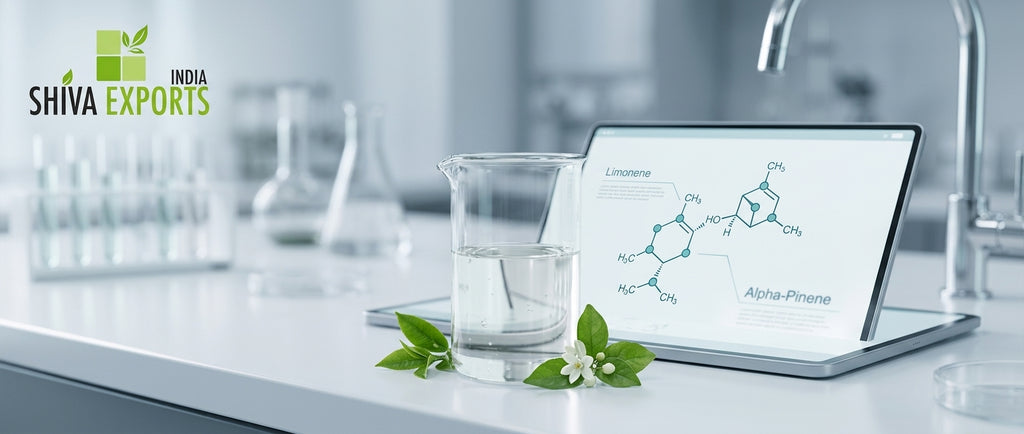 Cyclamen Aldehyde is a crucial synthetic aroma chemical used to impart fresh, watery, linden-blossom notes to modern floral accords. This analytical review examines its chemical stability, GC-MS profile, and precise formulation ratios for commercial fragrance development.
 -
Evaluating Juniper Berry Essential Oil: GC-MS Analysis & Purity Specs
 An analytical breakdown of Juniper Berry Essential Oil authentication using GC-MS and chiral chromatography. Learn how to identify adulterated batches, verify physical constants, and formulate stable cosmetic matrices.
 -
Evaluating Rose De Mai Absolute Wholesale Markets and Purity
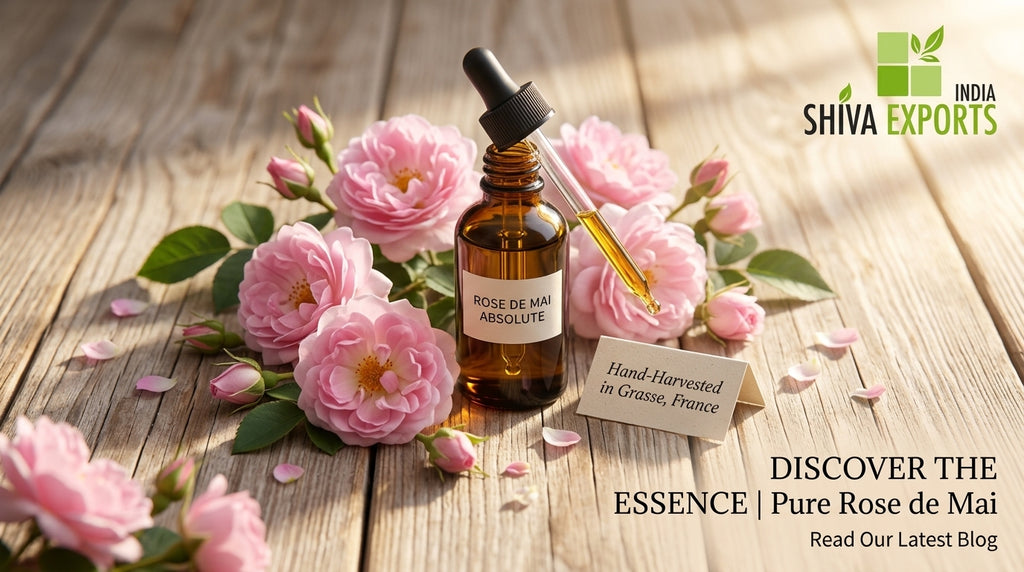 An investigative look into the economics and purity of rose de mai absolute wholesale markets. Discover analytical benchmarks and supply chain strategies for procuring genuine Rosa centifolia.
 -
Analytical Verification of Essential Oils: Purity Metrics for 2026
 This article explores the analytical methodologies used to verify the purity of essential oils in 2026, focusing on chiral GC-MS and ISO compliance. It provides a detailed breakdown of physical constants and extraction methods for industrial cosmetic formulators.
 -
Analytical Guide to Lavender Oil: Evaluating Pure and Standardized 40/42 Profiles
 Evaluating the chemical and physical differences between pure Lavender Oil and standardized Lavender Oil 40/42 is essential for maintaining batch-to-batch consistency in fragrance formulation. This analytical guide breaks down GC-MS profiles, adulteration detection methods, and industrial application ratios for formulation chemists.
 -
The Future of Purity: Essential Oil Trends for 2026
 Discover the critical analytical trends shaping the purity of essential oils in 2026, focusing on advanced chiral GC-MS testing and subcritical water extraction. Learn how to safeguard your bulk supply from complex chemical adulteration using precise laboratory standards.
 -
Analytical Verification of Essential Oils in Bulk Supply: 2026 Trends
 Discover the critical analytical trends shaping essential oils purity and verification in 2026. Learn how chiral chromatography, ISO standards, and advanced extraction methods safeguard bulk supply integrity against synthetic adulterants.
 -
Characterizing Cis 3 Hexanol: GC-MS Analysis and Formulation
 This technical guide explores the analytical chemistry and formulation of cis 3 hexanol and its unsaturated counterpart, cis-3-hexen-1-ol. Learn how to verify purity using GC-MS and implement precise dosing in fine fragrance accords.
 -
The Future of Purity: Essential Oils Bulk Supply Trends for 2026
 As standard purity claims fall short in 2026, high-resolution analytical testing is redefining the essential oils market. Discover how advanced techniques like chiral GC-MS are shaping the future of industrial procurement.
 -
The Future of Purity: Essential Oil Trends for 2026
 The future of essential oils in 2026 is defined by strict regulatory enforcement and advanced analytical verification. Discover how next-generation testing and climate volatility are reshaping the bulk supply market.
 -
Evaluating Rose Essential Oil Wholesale Consignments: A GC-MS Protocol
 This analytical guide outlines the GC-MS protocols and ISO 9842 standards required to evaluate rose essential oil wholesale consignments. It provides clinical insights into detecting adulteration, understanding stearoptene crystallization, and comparing steam-distilled and solvent-extracted profiles.
 -
Formulating with Geranium Oil: IFRA 51 and Supply Stability
 The implementation of IFRA 51 has significantly impacted permissible geranium oil usage levels in cosmetic formulations. This article analyzes the regulatory changes, constituent requirements, and strategies for navigating ongoing geranium oil supply chain volatility.
 -
Authentic Blue Lotus Absolute Oil in High-End Skincare: Formulator's Guide
Authentic Blue Lotus Absolute Oil in High-End Skincare: Formulator's Guide The persistent challenge when formulating with authentic blue lotus absolute oil isn't merely the cost; it's the sheer inconsistency of what is commercially available. For formulators targeting the high-end skincare market, navigating the distinction between true *Nymphaea caerulea* extract and the myriad of dilutions, synthetics, and related species (like *Nelumbo nucifera*) is a critical technical hurdle. True blue lotus absolute is a complex, temperamental ingredient, but when sourced and validated correctly, it offers a unique olfactory profile and chemical composition that synthetic alternatives cannot replicate, making...

Close
Login
Close