



Kewra Absolute




Request Wholesale Pricing for Kewra Absolute
Manufacturer, Supplier & Exporter of Premium Essential Oils, Absolutes, Attars, Carrier Oils and Aroma Chemicals.
Kewra Absolute
Buy Kewra Absolute
Product Overview
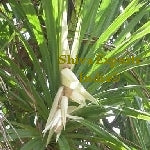
From the heart of Kannauj, India — the Perfume Capital of India — Shiva Exports India presents our premium Kewra Absolute, an exquisite, highly concentrated botanical treasure extracted from the wild-harvested male spadices of Pandanus odoratissimus. Meticulously processed using a combination of traditional hydro-distillation and sophisticated modern extraction techniques, this rare absolute captures the ethereal, honeyed floral aroma that has defined Indian perfumery for centuries. Crafted specifically for discerning fragrance houses, cosmetic formulators, and clinical aromatherapists, our Kewra Absolute guarantees unmatched purity and batch-to-batch consistency for high-end industrial applications.
🌿 Olfactory Profile & Applications
Kewra Absolute (commonly known as Kewda oil or screwpine essential oil) exhibits a highly complex, multi-layered olfactory profile. The top notes open with an intense, green-watery sweetness, reminiscent of fresh morning dew on tropical vegetation. This rapidly gives way to a rich, honeyed floral aroma in the heart, displaying smooth, velvety, and slightly fruity undertones akin to ripe apricots and soft rose petals. The base note is exceptionally grounding, providing an earthy, herbaceous, and long-lasting fixative quality.
This unique olfactory signature makes our Kewra flower extract highly prized in several industrial sectors:
- Fine Fragrances & Natural Perfumery: Used as a key modifier and fixative in high-end oriental, floral, and chypre accords, or to recreate authentic traditional Indian attar compositions.
- Cosmetics & Personal Care: Incorporated into luxury anti-aging creams, revitalizing facial serums, and premium body lotions for its skin-refreshing properties.
- Aromatherapy: Utilized in premium therapeutic formulations designed to soothe the nervous system, reduce mental fatigue, and promote emotional grounding.
- Aroma Chemicals: Serves as a rich natural source of phenyl ethyl methyl ether for niche perfumery isolates.
✨ Key Features & Specifications
- Botanical Name: Pandanus odoratissimus (syn. Pandanus fascicularis)
- Extraction Method: Traditional Hydro-distillation followed by Food-Grade Solvent Extraction
- Plant Part Used: Fresh male flowers (spadices)
- Origin: Kannauj, Uttar Pradesh, India
- Purity: 100% Pure, Natural, and Undiluted Absolute
- Appearance: Pale yellow to light amber, free-flowing mobile liquid
- Key Chemical Constituents: Phenyl ethyl methyl ether, Terpinen-4-ol
- Refractive Index: 1.485 to 1.515 @ 20°C
- Specific Gravity: 0.930 to 0.980 @ 25°C
- Shelf Life: 3 Years when stored in airtight containers away from direct light and heat
📖 Usage & Formulation Guide
As a highly concentrated exotic floral absolute, Kewra Absolute must be handled with precision by professional formulators. Below are expert guidelines for industrial and artisanal applications:
- Exotic Oriental Perfume Accord: Blend 2% Kewra Absolute with 5% Sandalwood (Santalum album) and 3% Jasmine Grandiflorum absolute in a carrier of Jojoba oil or perfumer’s alcohol. This combination yields a traditional, long-lasting attar-style fragrance with deep fixative power.
- Grounding Meditation Diffuser Blend: For commercial home fragrance lines, combine 1 part Kewra Absolute, 3 parts Frankincense (Boswellia carterii), and 2 parts Bergamot FCF. This blend creates a deeply serene, sacred space highly suitable for wellness spas and meditation centers.
- Luxury Radiant Facial Serum: To formulate high-end skincare targeting dry or mature skin, dilute Kewra Absolute at 0.1% to 0.3% within a base of organic Rosehip and Argan oils. This provides a cooling, grounding effect while rejuvenating tired-looking skin.
- Soap and Fine Cosmetic Manufacturing: Use at a maximum recommended dermal concentration of 0.5% in cold-process soaps or premium body washes to ensure scent longevity without destabilizing the formulation base.
🛡️ Quality Assurance
At Shiva Exports India, our heritage is backed by rigorous scientific validation. Every single batch of Kewra Absolute undergoes comprehensive GC-MS (Gas Chromatography-Mass Spectrometry) analysis in our state-of-the-art testing facility. We strictly adhere to ISO 9001:2015 and GMP standards, ensuring our botanical extracts are free from synthetic adulterants, heavy metals, and pesticide residues. Our production processes comply fully with IFRA (International Fragrance Association) guidelines. A Certificate of Analysis (COA), Gas Chromatogram, and Material Safety Data Sheet (MSDS) are available upon request for every shipment.
📦 Packaging & Bulk Availability
We cater to global B2B clients with scalable, export-ready packaging designed to preserve the delicate volatile compounds of our Kewra flower extract. Our standard packaging options include:
- Small-Scale & R&D: 100ml, 250ml, 500ml, and 1L epoxy-lined aluminum bottles.
- Industrial Bulk: 5L, 25kg, and 180kg heavy-duty HDPE or steel drums.
- Custom Solutions: OEM/ODM private labeling and custom contract packaging are available upon request.
We provide fast, reliable international shipping via air and sea freight, complete with all necessary customs and shipping documentation for hassle-free clearance.
❓ Frequently Asked Questions
What is the difference between Kewra Absolute and Kewra Water (Hydrosol)?
Kewra Absolute is a highly concentrated, lipophilic extract containing the pure volatile aroma molecules of the flower, primarily used in high-end perfumery and cosmetics. Kewra Water (hydrosol) is the water-soluble byproduct of the steam distillation process, which is highly diluted and traditionally used in culinary applications.
Can this Kewra Absolute be used directly in food and baking?
Our Kewra Absolute is a highly concentrated, raw cosmetic and perfumery ingredient. For commercial food-grade flavoring, we recommend our specialized, food-grade Kewra distillates or hydrosols which are specifically standardized for culinary safety.
What is the Minimum Order Quantity (MOQ) for international wholesale orders?
As a primary B2B manufacturer, our standard MOQ for precious absolute oils starts at 1 kg. However, we offer smaller 100ml and 250ml sample packs for verified cosmetic formulators and R&D laboratories seeking initial product validation.
1. Our essential oils are highest possible quality with the best possible pricing. Everybody knows that there are 4 -5 qualities of each essential oils available so this may not be the right quality for new comers in this website. Better you drop an email to verify the exact verify of essential oils you actually need. You can also call us or Live Chat with us on live chat system installed in this website or through Skype or Yahoo Messenger.
2. Here we have implemented a new customized shipping module here any reputed buyer can check the shipping quote before placing the actual order and estimate their cost. We do not quote based on import duty inclusive. Import duty is always extra on CIF value. The same is applicable up to 50 Kg, for more than 50 Kg, Please ask for spot rates. See top right of this page.
3. We are most sincere about our packaging for safer possible delivery at destination. In case there will be a loss/ damage, we always help buyers to resolve the issue. Most of the time, we send replacement partial /full shipment with no extra cost.
4. If you are not familiar with our product, please chat with us or call me to verify the actual variety you need in order to rule out any further issues. The products are intended to reach the maximum number of people so for specific quality, please explain your purpose of use and working criteria.
5. The information in product description is intended for educational purposes only and should not be used to replace the care of a qualified physician. This data is not considered complete and is not guaranteed to be accurate for all applications.
Transit Time (WoldWide) : 3 - 4 days (exceptions may be possible due to customs and different country's export regulations. )